Industry News
Application of polypropylene nonwoven fabric in vegetable production Application of polypropylene nonwoven fabric in vegetable production
Application of polypropylene nonwoven fabric in vegetable production
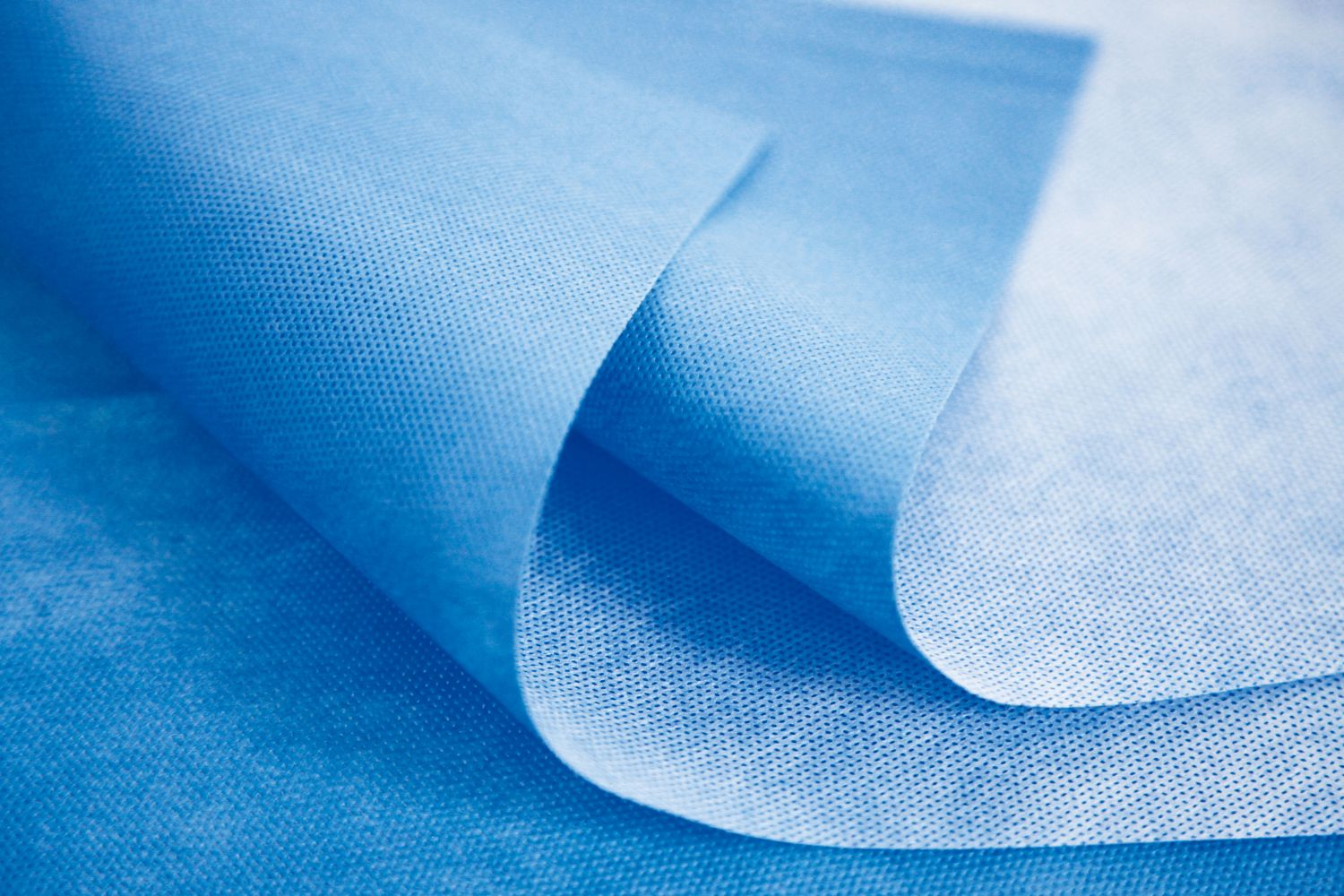
Non-woven fabric, also known as non-woven cloth or harvest cloth, is made from polyester or polypropylene. The raw materials are spun into filaments through screw extrusion and then directly formed into a web and thermally bonded. It is a fabric-like covering with good air permeability, moisture absorption, and light transmission. It has functions such as cold protection, moisture retention, frost protection, freeze protection, light transmission, and gas regulation. It is also lightweight, easy to use, and corrosion-resistant. Thickened non-woven fabric, due to its excellent heat retention, can also be used for multi-layer covering.For vegetable seedling beds, it serves to retain heat, retain moisture, and promote seed germination. Fertilizers, water, and pesticides can also be applied to...
2026-01-16

Which Chinese manufacturer makes the best flame-retardant nonwoven fabric? Which Chinese manufacturer makes the best flame-retardant nonwoven fabric?
Which Chinese manufacturer makes the best flame-retardant nonwoven fabric?
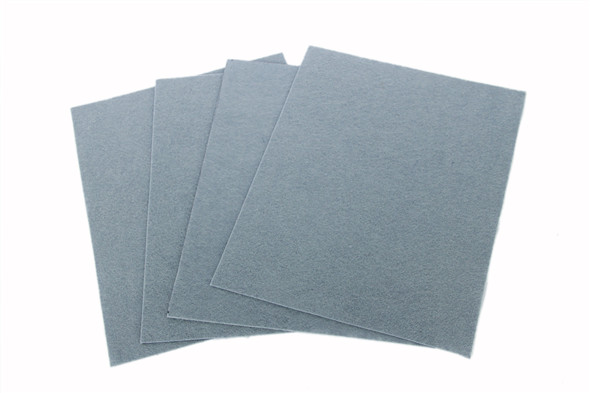
Flame-retardant nonwoven fabrics can be divided into three main categories based on their material: polyester flame-retardant nonwoven fabric, polypropylene flame-retardant nonwoven fabric, and viscose flame-retardant nonwoven fabric. This classification is primarily based on their main components.The main component of polyester flame-retardant nonwoven fabric is polyester; the main component of polypropylene flame-retardant nonwoven fabric is polypropylene; and the main component of viscose flame-retardant nonwoven fabric is viscose fiber. Polyester fiber is a chemical fiber, a polymer product of terephthalic acid or diethyl terephthalate and ethylene glycol. Its characteristics include: high strength, good elasticity, good heat resistance, smooth surface, good abrasion resistance, good l...
2026-01-16
Reasons for the long service life of heat-insulating needle-punched nonwoven fabric in greenhouses Reasons for the long service life of heat-insulating needle-punched nonwoven fabric in greenhouses
Reasons for the long service life of heat-insulating needle-punched nonwoven fabric in greenhouses
Anyone who has used needle-punched nonwoven fabric for insulation knows that nonwoven greenhouse insulation blankets made from this material have a long service life, generally around 10 years for vegetable greenhouses. This is 3-5 years longer than other greenhouse insulation materials. So what are the reasons for the long-term use of nonwoven greenhouse insulation materials? Let me briefly explain.Needle-punched nonwoven fabric is familiar to greenhouse growers. It's used as soon as the weather turns cold. Compared to traditional insulation materials, this insulation blanket has advantages such as a low heat transfer coefficient, good insulation performance, moderate weight, easy rolling, good wind resistance, good water resistance, and a service life of up to 10 years.One: The insul...
2025-12-22
Classification by main components of flame-retardant hot air cotton and their respective advantages Classification by main components of flame-retardant hot air cotton and their respective advantages
Classification by main components of flame-retardant hot air cotton and their respective advantages
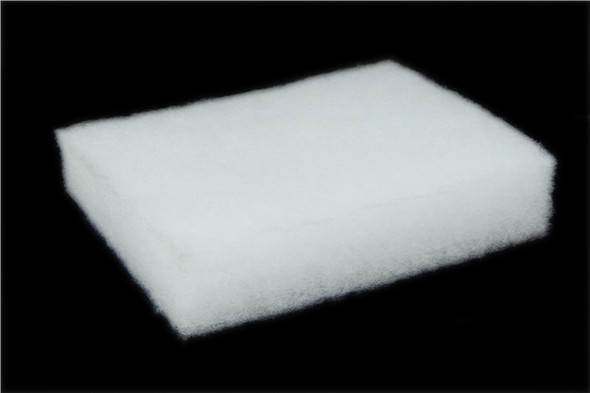
Flame-retardant hot air cotton can be classified by material as follows:(I) Based on its main components, it can be divided into three main categories: polyester flame-retardant nonwoven fabric, polypropylene flame-retardant nonwoven fabric, and viscose flame-retardant nonwoven fabric.1. Polyester flame-retardant hot air cotton is mainly composed of polyester. Polyester fiber is a chemical fiber, a polymer of terephthalic acid or diethyl terephthalate and ethylene glycol.Features: High strength, good elasticity, good heat resistance, smooth surface, good wear resistance, good light resistance, corrosion resistance, poor dyeability.2. Polypropylene fiber is a synthetic fiber made from propylene.Features: High strength, good wet and dry strength, good wear resistance, corrosion resistance.3....
2025-12-22
How can you distinguish between the materials of microfiber cloth and non-woven fabric? How can you distinguish between the materials of microfiber cloth and non-woven fabric?
How can you distinguish between the materials of microfiber cloth and non-woven fabric?
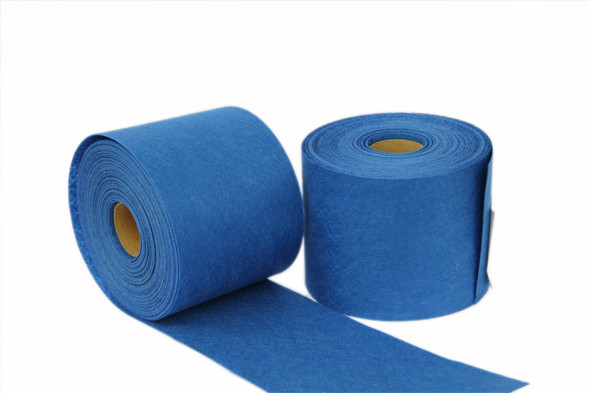
With the continuous improvement of living standards, microfiber fabric has become an indispensable part of daily necessities. So how do we distinguish it from non-woven fabric? The method is actually quite simple; we can differentiate the materials based on the following characteristics:Non-woven FabricCharacteristics of Microfiber Fabric:1. Soft to the touch and lightweight.2. When microfiber fabric is attached to ordinary fabric clothing, if the microfiber remains attached even when the clothing is vertical, it indicates that the fiber fineness is sufficient, making it microfiber fabric.3. Genuine microfiber fabric unfolds slowly after being crumpled into a ball, while fake microfiber fabric quickly fluffs up.Characteristics of Non-woven Fabric:1. Observe whether the light transmission o...
2025-12-22
The important mission of medical nonwoven fabrics The important mission of medical nonwoven fabrics
The important mission of medical nonwoven fabrics
In the medical field, medical nonwoven fabrics play a vital role in safeguarding health. Their superior performance provides reliable protection for medical staff and patients.Medical nonwoven fabrics possess excellent barrier properties, effectively preventing the penetration of contaminants such a...
2025-12-22